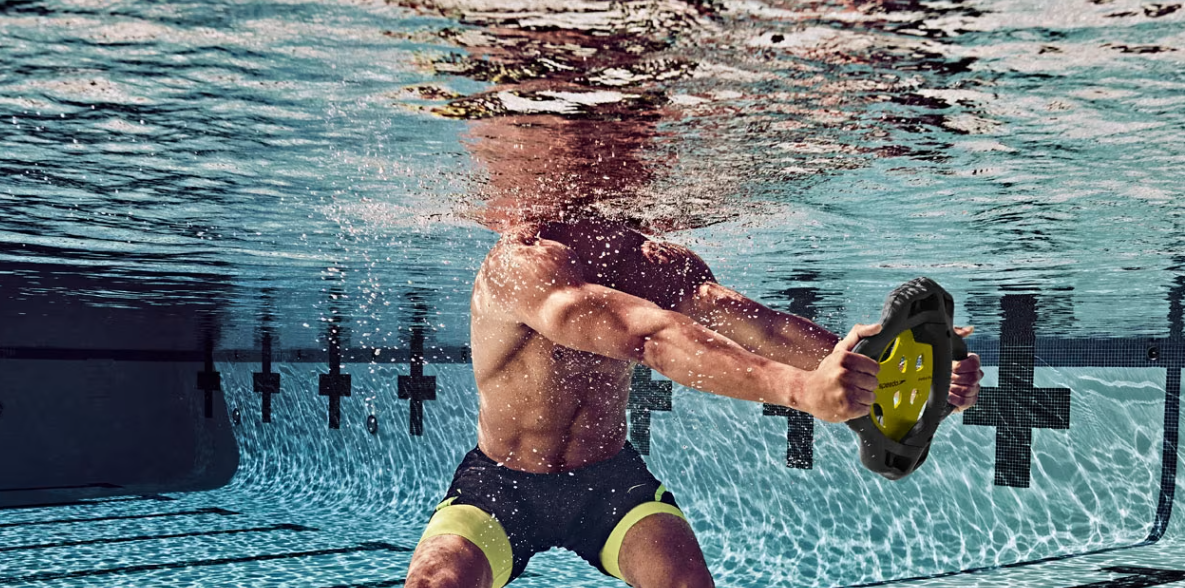
Aquatic training is often misunderstood as light exercise reserved for recovery or beginners. In reality training in water can build serious strength while reducing stress on joints and connective tissue. This balance is what makes aquatic training unique and effective for a wide range of people.
Water changes how the body works. Resistance comes from all directions. Movements slow down naturally. The result is controlled effort that challenges muscles without the harsh impact found on land.
How Water Resistance Works
Water is denser than air. Every movement through it meets resistance. Unlike weights that pull in one direction water resists in multiple planes.
This means muscles work during both pushing and pulling phases. Stabilizing muscles engage automatically to maintain balance and alignment. Over time this builds functional strength that transfers well to daily movement.
The resistance level adjusts instantly based on speed and surface area. Faster movement creates more resistance. Slower movement reduces load. This makes water training naturally adaptable.
Reduced Joint Stress With High Muscle Activation
One of the biggest advantages of aquatic training is buoyancy. Water supports body weight and reduces joint compression.
This allows people to train with intensity without overloading knees hips and spine. For individuals with joint sensitivity or previous injuries this environment makes consistent training possible.
Muscles still work hard but joints experience less wear. This combination supports longevity in training routines.
Full Body Engagement in Every Session
Aquatic exercises rarely isolate one muscle group. Movement through water requires coordination balance and control.
Core muscles activate to stabilize posture. Upper and lower body work together to move efficiently. Even simple exercises involve multiple muscle groups.
This full body engagement increases training efficiency. Shorter sessions can still deliver meaningful results.
Cardiovascular Benefits Without High Impact
Aquatic training elevates heart rate while minimizing impact. Continuous movement against resistance increases cardiovascular demand.
Breathing patterns adjust naturally to water pressure. This improves respiratory efficiency and endurance over time.
The result is a cardiovascular workout that feels smoother and more controlled than high impact alternatives.
Mental Comfort and Consistency
Training in water often feels less intimidating. The environment reduces fear of falling and softens mistakes.
This comfort encourages consistency. People are more likely to return to workouts they enjoy and feel safe performing.
Consistency is the foundation of long term progress.
Who Benefits Most From Aquatic Training
Aquatic training benefits a wide range of individuals. Athletes use it for cross training and recovery. Older adults use it to maintain strength and mobility. Beginners use it to build confidence.
It also suits people returning to activity after injury or long breaks. The adaptability of water allows gradual progression without pressure.
This versatility makes aquatic training widely accessible.
Integrating Aquatic Training Into Routine
Aquatic sessions can complement land based training or stand alone as a primary routine.
Combining both environments balances impact and resistance. Many people alternate sessions to maintain joint health while building strength.
The key is intentional movement rather than random activity.
Closing Thoughts
Aquatic training proves that strength does not require strain. Water offers resistance support and control in one environment.
By reducing impact while maintaining challenge aquatic training supports sustainable fitness across different stages of life. It is not a compromise. It is a strategic approach to movement.